Why Trash Trouts™ are so important
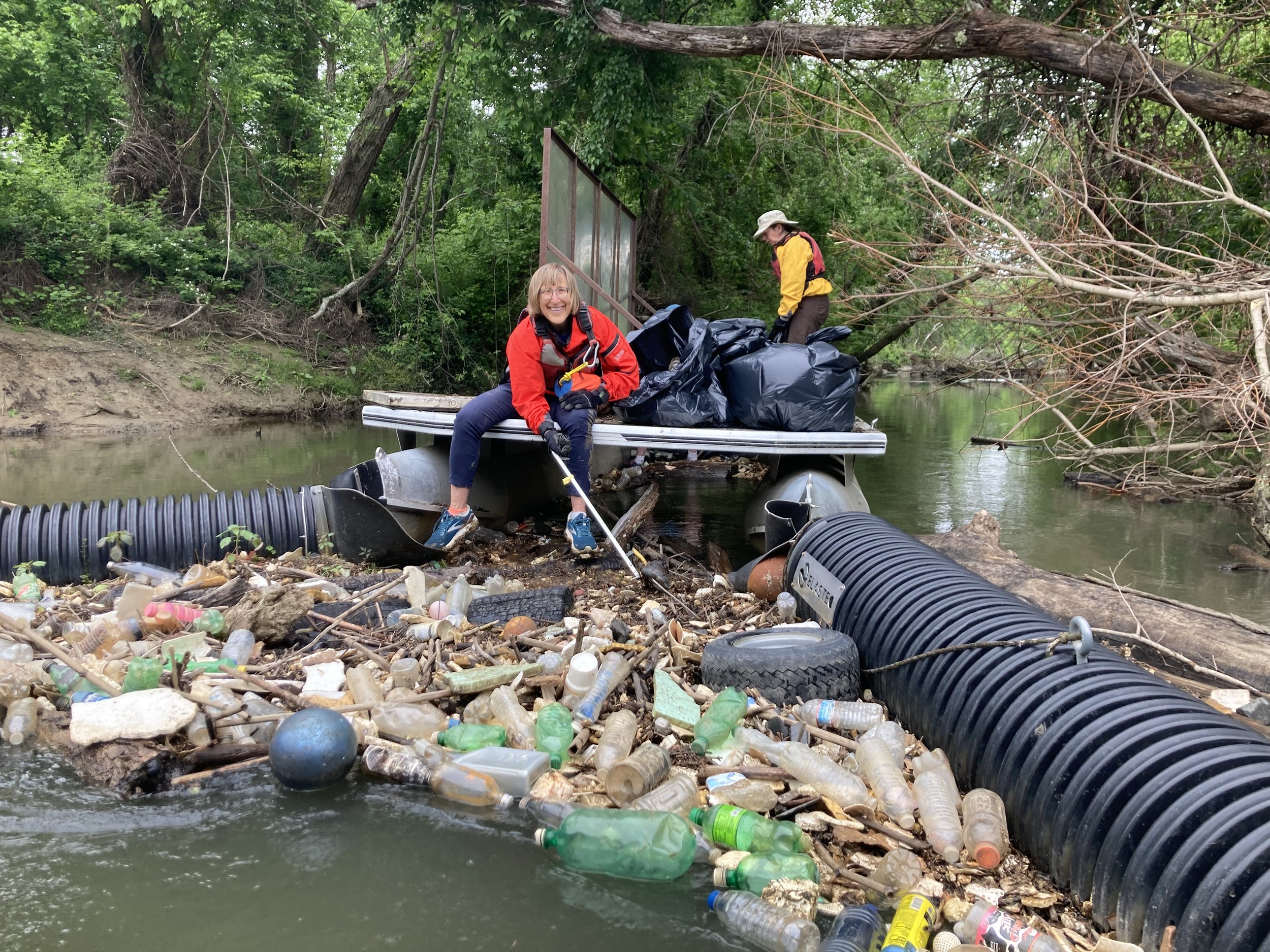
Roadside littering accounts for approximately 80 percent of the trash in our nation's waterways. Each time it rains, trash is funneled through our storm drain systems directly into our creeks. In the overwhelming majority of waterways across the nation, nothing prevents trash from entering our waterways, and no filters clean pollutants out of the water before it travels downstream.
StreamKeeper Program
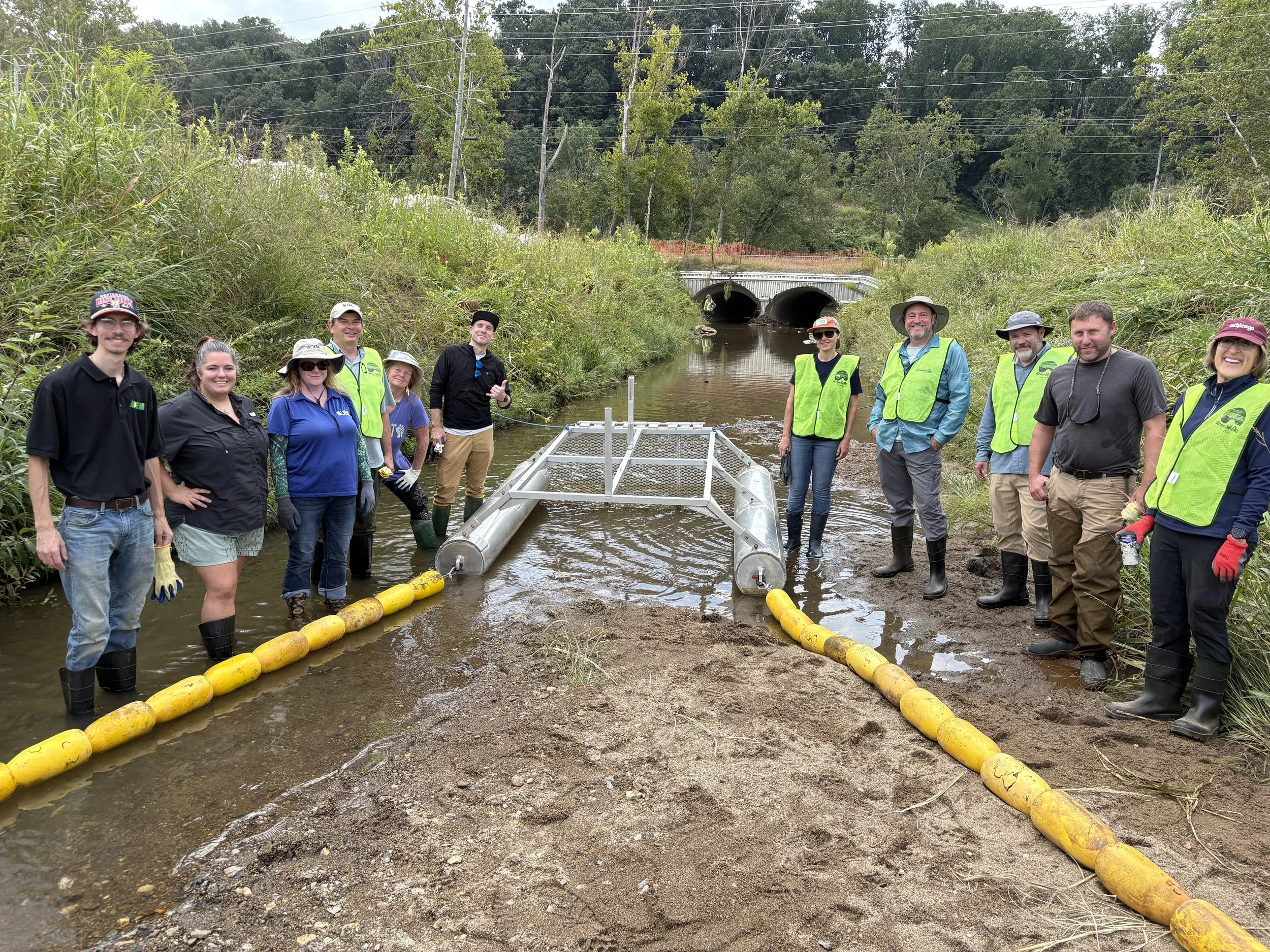
Currently, we have over 53 Trash Trouts™ protecting waterways in 5 states. When you join the Trash Trout™ network, we work with you to engage your community in your success. With our optional Streamkeeper program working in conjunction with your litter trap, you can engage your community to develop grassroots solutions to address the sources of litter.
Find out more about our StreamKeeper program
How It Works
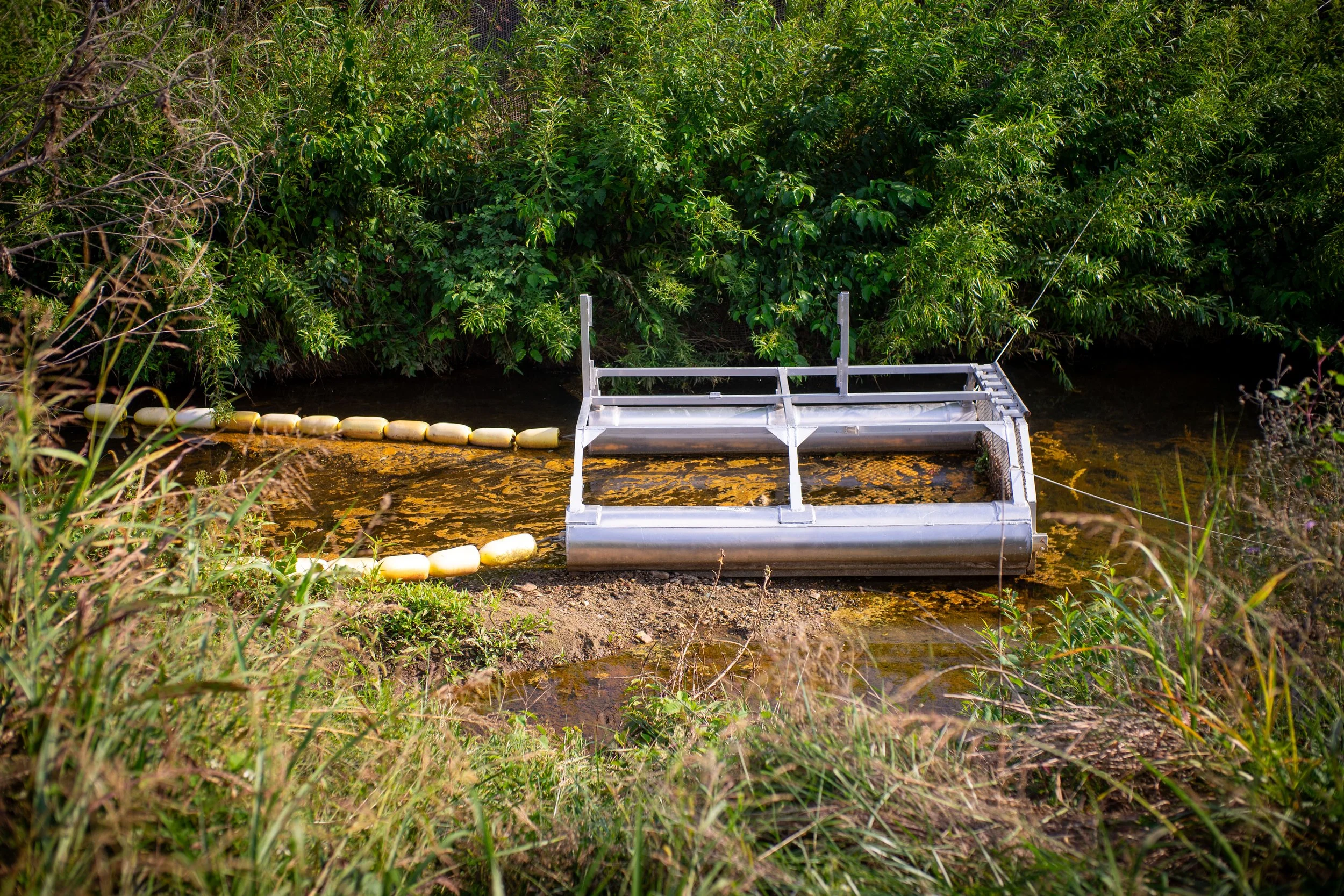
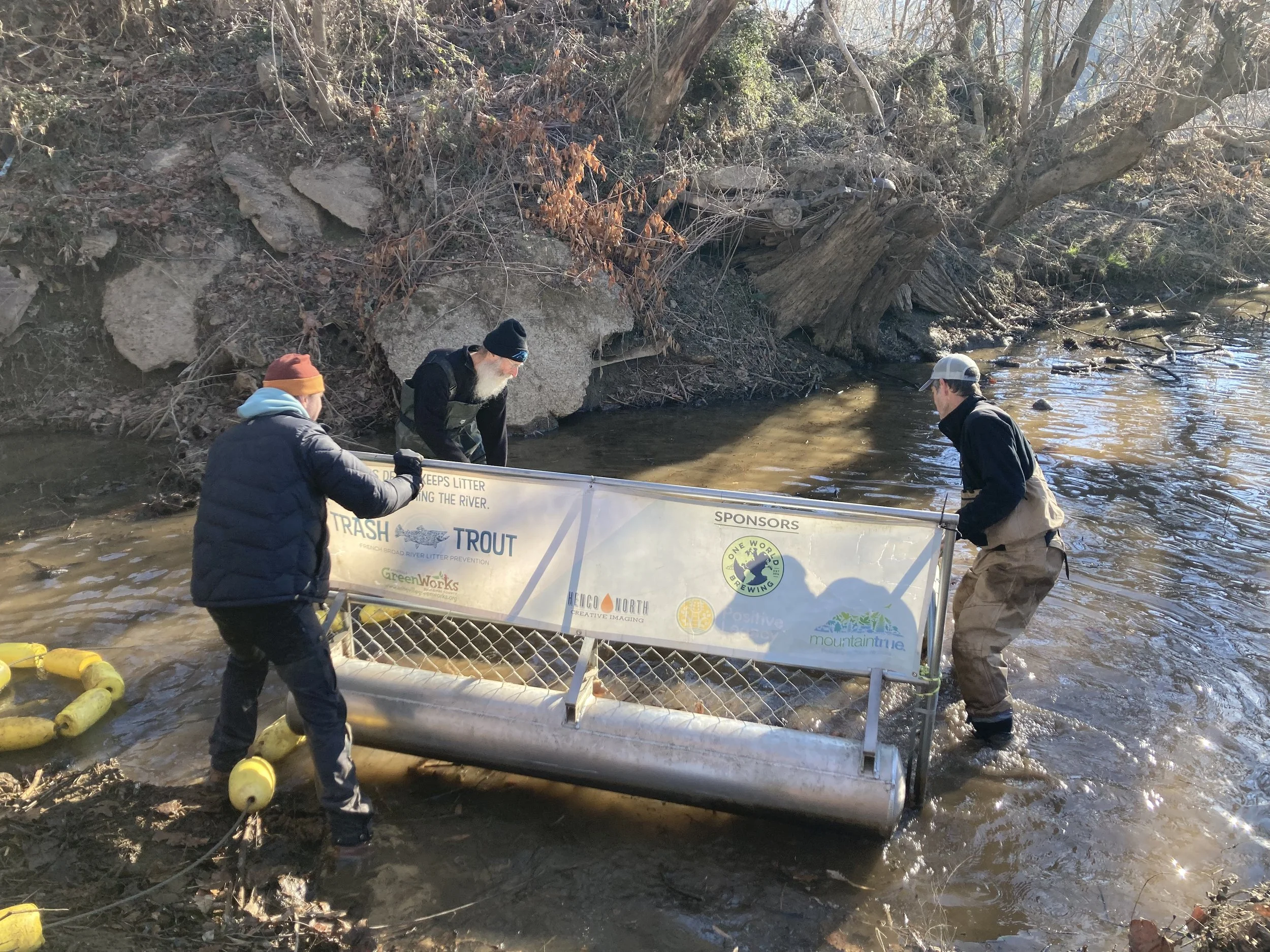
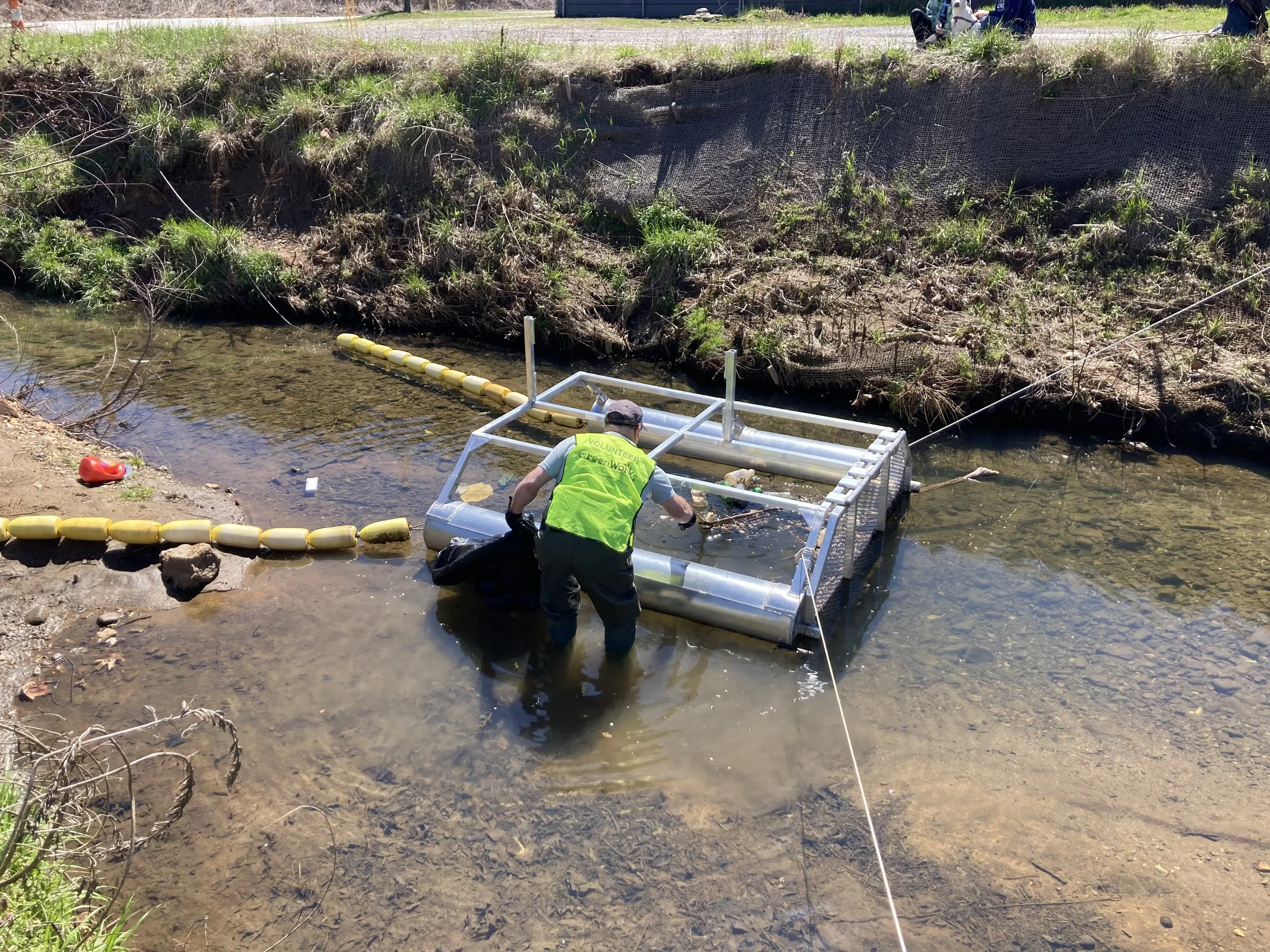
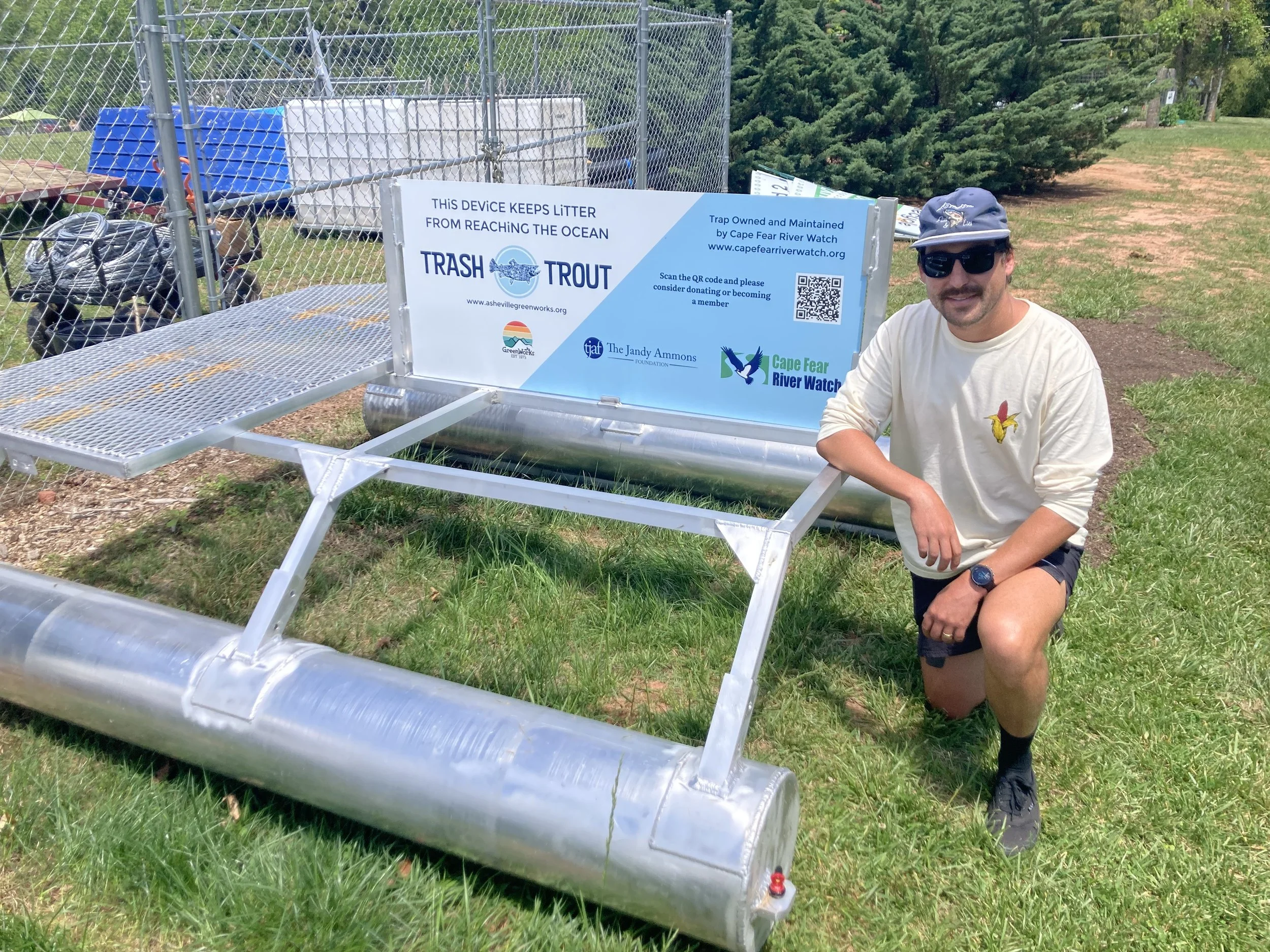
Trash Trout™ floats in waterways, using a mesh gate to capture stormwater litter while letting water and wildlife pass safely. Anchored securely to banks with galvanized cables and posts, it rises and falls with water levels, preventing flooding and minimizing maintenance.
Maintenance & Operation
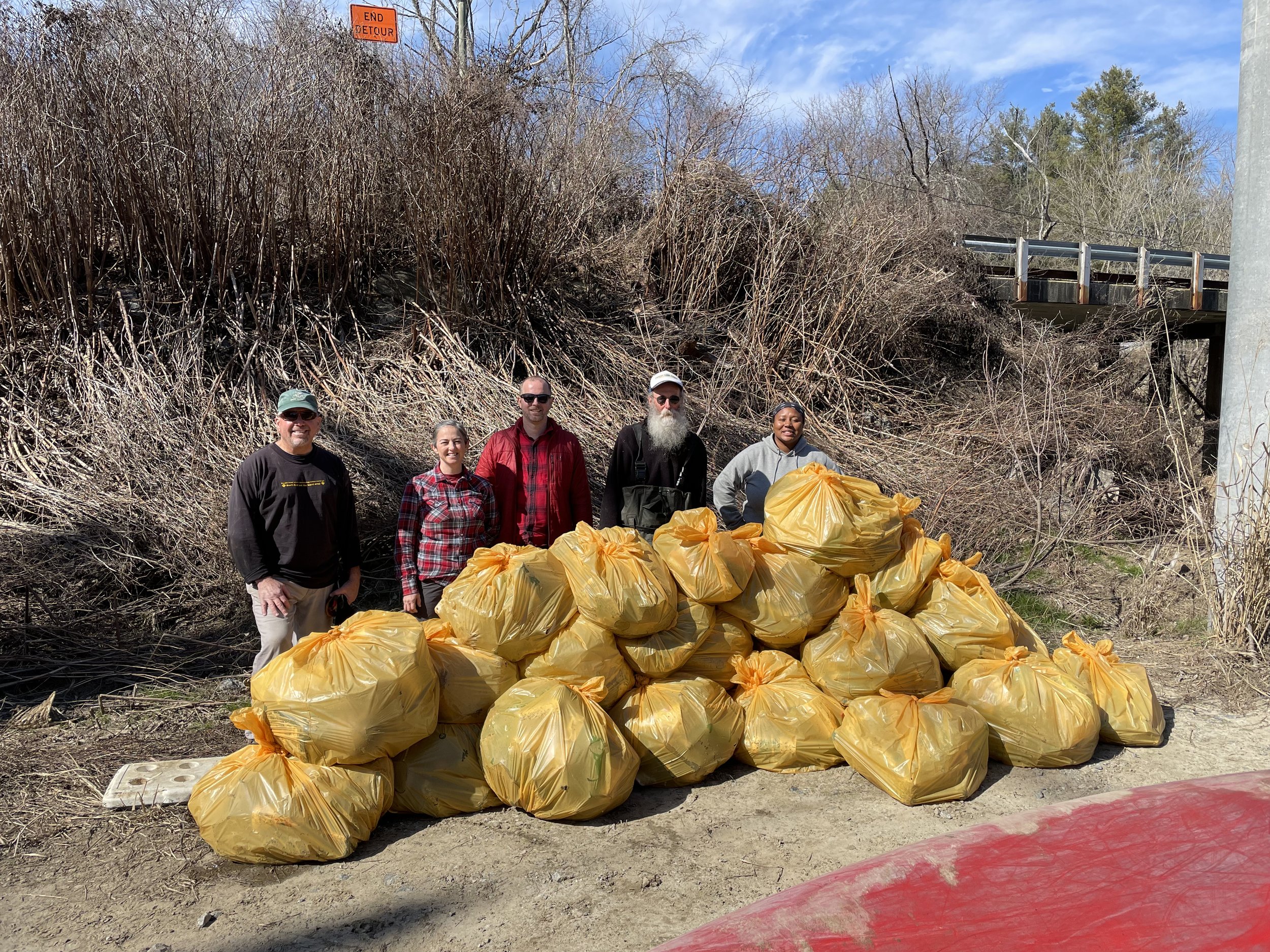
Cleaning out is typically done once a month or after heavy rain, with plastic bottles, Styrofoam, and single-use plastics being the most common items collected. Its efficient design maximizes trash capture while reducing labor.
Community & Environmental Impact
Beyond litter collection, Trash Trout™ engages volunteers through programs like StreamKeeper and connects communities to the International Trash Trap Network. By intercepting stormwater litter before it breaks down into microplastics, it protects local waterways, downstream ecosystems, and oceans, while educating and mobilizing communities.
Dimensions: 2’ H × 6’ W × 8’ L
Weight: 250 lbs
Materials: Aluminum frame & pontoons, 3/4” stainless steel expanded mesh gate
Storage Capacity: 96 cubic ft of litter
Site Requirements: Banks up to 50’ wide; max historical flow rate 10,000 cfs
Durability: 10–20 years with regular maintenance
Specifications
Frequently Asked Questions
-
This device is designed to rise as the water rises. With regular maintenance, the trap will not become a flooding hazard.
-
No, the device was designed without a top or a bottom to keep creatures from becoming trapped.
-
In an urban waterway, you can count on trash being captured each time you have a significant rain event. Cleanup needs vary with rainfall volume, but most of our traps are maintained monthly.
-
Once the man-made litter is safely removed, we open the rear gate, and the plant debris is allowed to continue its journey downstream.
-
10 to 20 years with regular maintenance.
-
Absolutely, fill out our contact form and we will get back to you soon!
Contact Us
We look forward to answering any questions you may have about Trash Trout and the StreamKeeper programs.